

How to Remove Emulsified Water from Oil in Industrial Machinery
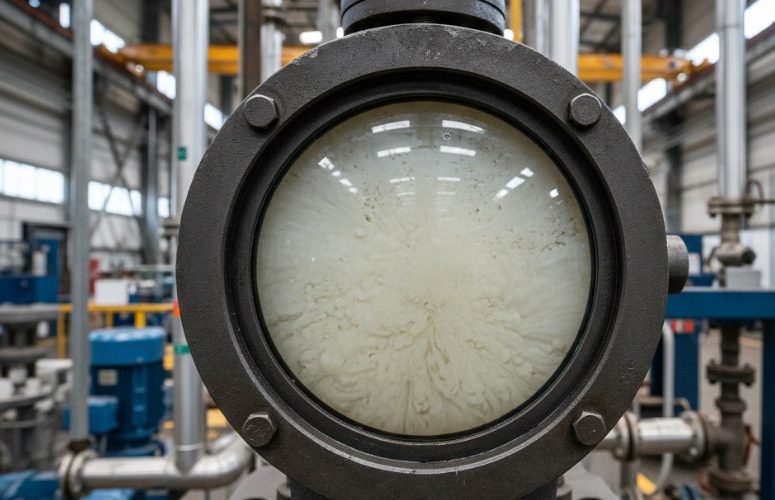
Is your hydraulic oil or gear oil looking milky? Are machines running hotter, foaming more, or showing signs of corrosion? If yes, you’re likely dealing with emulsified water in oil — a silent killer of industrial equipment.
In factories, power plants, crushers, and marine engines, water contamination is common. It sneaks in through breathers, seals, and cooling leaks, mixing with oil to form a stubborn emulsion. This milky oil loses its lubricating power, speeds up oxidation, and attacks bearings, gears, and pumps from inside.
Traditional filters and quick fixes often fail to remove this emulsified water. The real solution lies in continuous, offline oil cleaning that separates water and fine particles by density — not just by pore size. In this guide, you’ll learn how emulsified water forms, why it’s dangerous, and how a centrifugal oil cleaner like Karroter’s can remove it effectively, extend oil life, and protect your machines.
Why Emulsified Water in Oil Is a Serious Industrial Problem
In industrial plants, water in oil is more than just a nuisance — it’s a major cause of machine failure. Water enters lubrication and hydraulic systems through condensation, leaks, and process exposure. When it mixes with oil under pressure and heat, it forms an emulsion: tiny water droplets suspended in oil, giving it a cloudy or milky appearance.
Emulsified water is especially dangerous because it:
- Breaks the oil film between moving parts, increasing wear.
- Causes rust and corrosion on bearings, gears, and cylinder walls.
- Accelerates oil oxidation, leading to sludge and varnish.
- Forces more frequent oil changes and higher maintenance costs.
This article focuses on industrial lubrication and hydraulic systems in plants, not automotive or home applications. If your gearboxes, turbines, crushers, or thermic fluid systems are showing milky oil, foaming, or unexplained overheating, emulsified water is likely the culprit.
What Is Emulsified Water in Oil?
Water in oil exists in three forms:
- Free water: Water that settles at the bottom of the tank. It can be drained off easily.
- Dissolved water: Water molecules mixed into the oil at a molecular level. It’s invisible and hard to remove without special treatment.
- Emulsified water: Tiny water droplets suspended in oil, forming a stable mixture. It looks milky or cloudy and does not separate by gravity alone.
Emulsified water is the toughest to remove because it behaves like a single fluid. Standard filters and settling tanks cannot break this emulsion. Only methods that exploit the density difference between oil and water — like centrifugal force — can separate it effectively.
How Does Water Enter Industrial Oil Systems?
Water finds its way into industrial oil systems through several common paths:
- Condensation: Temperature changes in tanks and gearboxes cause moisture in air to condense into water.
- Leaky breathers and seals: Damaged or poorly maintained breathers and shaft seals allow humid air and water to enter.
- Cooling system leaks: Cracked tubes or gaskets in coolers can leak water directly into oil circuits.
- Process contamination: In cement plants, crushers, furnaces, and heat treatment systems, water from quenching, cooling, or washing can mix with lubricants.
- Humid environments: Plants in coastal or high-humidity areas face constant moisture ingress.
Once water enters, agitation and heat turn it into a stable emulsion that sticks with the oil, degrading performance and shortening equipment life.
Why Emulsified Water Is Dangerous for Industrial Equipment
Emulsified water directly attacks the health of your machinery:
- Loss of lubrication: Water reduces the oil’s film strength, leading to metal-to-metal contact, increased wear, and pitting.
- Corrosion: Water causes rust on bearings, gears, and internal surfaces, especially in gearboxes and hydraulic cylinders.
- Sludge and varnish: Water accelerates oxidation, forming sludge and varnish that clog filters, valves, and nozzles.
- Shorter oil life: Contaminated oil degrades faster, forcing more frequent oil changes and higher operating costs.
- Higher downtime: Unplanned breakdowns due to bearing failure, pump damage, or blocked lines increase maintenance workload and production loss.
Ignoring emulsified water leads to higher maintenance bills, reduced machine reliability, and shorter equipment life. The solution is not just changing oil more often — it’s removing water at the source.
Common Methods Used to Remove Water from Oil (and Their Limitations)
Gravity Settling and Drainage
Draining free water from the bottom of tanks is simple and low-cost. But it only works for free water, not emulsified water. Milky oil stays milky, and the emulsion continues to damage machines.
Heating the Oil
Heating oil can help separate some water, but it has serious drawbacks:
- High temperatures accelerate oil oxidation and degrade additives.
- It’s not practical for continuous operation in most plants.
- It still struggles with stable emulsions.
Absorbent Filters and Additives
Absorbent filters and water-removing additives are often used, but they have limitations:
- They are consumables — you keep buying and replacing them.
- They get saturated quickly in high-contamination environments.
- They cannot handle heavy emulsions or continuous water ingress.
These methods are stop-gap fixes. For long-term protection, you need a continuous, non-consumable solution.
How to Remove Emulsified Water from Oil Effectively in Industrial Systems
To remove emulsified water, you need a method that separates oil and water based on their density difference, not just pore size. The best approach is continuous, offline oil cleaning using centrifugal force.
Offline filtration means the cleaning system runs parallel to the main machine, cleaning oil while the equipment keeps operating. Fine filtration alone is not enough — you need a system that can break the emulsion and remove both water and fine particles together.
How Centrifugal Oil Cleaners Remove Emulsified Water from Oil
Centrifugal oil cleaners like Karroter’s KT series work on a simple principle: high-speed rotation creates strong centrifugal force. When contaminated oil enters the rotor, it spins at high RPM, forcing heavier components — water, sludge, and fine particles — to the outer wall.
The clean oil returns to the system, while water and solids are retained in the rotor. The rotor is cleaned periodically, so there are no consumable filters. This allows continuous removal of emulsified water without stopping machines.
Karroter centrifugal oil filters are designed for industrial use. They handle high flow rates, large dirt holding capacity, and tough environments like cement plants, stone crushers, and marine engines. By continuously cleaning oil offline, they keep water content low, protect critical components, and extend oil life.
Benefits of Removing Emulsified Water Using Centrifugal Oil Filtration
- Extended oil life: Clean, dry oil lasts much longer, reducing oil change frequency and cost.
- Lower oil replacement cost: Less frequent oil changes mean lower operating expenses.
- Improved machine reliability: Bearings, gears, and pumps run cooler and last longer.
- Reduced downtime: Fewer breakdowns and less maintenance work.
- Better cleanliness standards: Helps achieve and maintain target NAS levels for critical systems.
Industries Where Emulsified Water Removal Is Critical
Centrifugal oil cleaners are especially valuable in:
- Cement plants: Gear oils, mill lubrication, and hydraulic systems exposed to moisture and dust.
- Stone crushers: Cone crusher lube oil circuits where water and dust mix with oil.
- Power generation: Turbines, gearboxes, and hydraulic systems where oil cleanliness is critical.
- Marine and heavy engines: Crankcase and auxiliary systems prone to condensation and leaks.
- Heat treatment and quenching: Systems where quenching oil gets contaminated with water and soot.
- Thermic fluid systems: Where water ingress can cause foaming, pump damage, and reduced heat transfer.
When Should You Install a Centrifugal Oil Cleaning System?
Consider installing a centrifugal oil cleaner if you face:
- Repeated water contamination in gearboxes or hydraulic systems.
- Frequent oil changes due to water or sludge.
- Milky or foaming oil in sumps and reservoirs.
- High dust or moisture in the operating environment.
- Critical equipment where downtime is very costly.
Final Thoughts – Preventing Emulsified Water Problems Long Term
Emulsified water in oil is a serious industrial problem, but it’s preventable. Regular oil condition monitoring, good maintenance of breathers and seals, and proper cooling system integrity are essential first steps.
For long-term protection, combine these practices with a permanent oil cleaning solution. A centrifugal oil cleaner like Karroter’s removes emulsified water continuously, keeps oil clean, and protects your machines from inside. It’s not just a filter — it’s an investment in equipment life, reliability, and lower operating costs.
FAQs
What does emulsified water in oil look like?
Emulsified water makes oil appear milky, cloudy, or opaque instead of clear. Unlike free water, it does not settle at the bottom of the tank and cannot be removed by simple draining or gravity separation.
Why can’t regular oil filters remove emulsified water?
Regular oil filters work based on micron pore size, so they only trap solid particles. Emulsified water exists as tiny droplets suspended in oil, allowing it to pass through filter media without being captured.
How does centrifugal oil filtration remove emulsified water?
Centrifugal oil filtration uses high-speed rotation to separate contaminants by density difference. Water, sludge, and fine particles are heavier than oil, so centrifugal force pushes them outward while clean oil returns to the system.
Can emulsified water damage industrial machinery?
Yes. Emulsified water reduces lubrication, causes corrosion, accelerates oil oxidation, and leads to bearing, gear, and pump failure. Over time, it increases downtime and maintenance costs significantly.
Is heating oil a reliable way to remove emulsified water?
No. Heating may remove some moisture, but it often damages oil additives, accelerates oxidation, and fails to break stable emulsions. It is not suitable for continuous industrial operation.
When should an industrial plant install a centrifugal oil cleaner?
You should install a centrifugal oil cleaner if you experience milky oil, frequent oil changes, recurring water contamination, or operate in dusty or humid environments where equipment downtime is costly.
