

If your hydraulic pump has failed more than once, you already know how frustrating and expensive it can be. Production stops, maintenance teams scramble, spare parts are replaced, and yet the same problem often returns. Many plant managers and maintenance engineers ask the same question: why do hydraulic pumps fail even after regular maintenance and oil changes?
In most cases, hydraulic pump failure is not sudden. It is the result of ongoing issues inside the system—especially related to oil condition—that go unnoticed until serious damage occurs. Understanding these root causes is the first step toward preventing costly breakdowns and extending the life of your hydraulic equipment.
Why Hydraulic Pump Failures Are More Expensive Than You Think
A hydraulic pump is the heart of any hydraulic system. When it fails, the impact goes far beyond the cost of the pump itself. Downtime leads to production loss, delayed deliveries, overtime labor, and emergency repairs. In industries such as manufacturing, power generation, construction, and marine operations, even a few hours of downtime can translate into significant financial loss.
The good news is that most hydraulic pump failures are preventable. They usually follow a predictable pattern linked to oil contamination, moisture, and poor cleanliness control.
How Hydraulic Pumps Actually Fail
Hydraulic pumps do not usually fail overnight. Damage starts slowly, inside the system. Small solid particles scratch internal surfaces. Moisture reduces lubrication and causes corrosion. Over time, clearances increase, efficiency drops, heat builds up, and the pump eventually fails.
Ignoring early warning signs—such as noise, vibration, overheating, or pressure instability—allows minor issues to turn into major failures.
Contaminated Hydraulic Oil: The Leading Cause of Pump Failure
Contaminated hydraulic oil is the number one reason pumps fail prematurely.
Solid Particle Contamination
Solid contaminants enter hydraulic oil from many sources:
- Dirt ingress through seals and breathers
- Metal wear debris from normal operation
- Contamination introduced during maintenance or oil handling
These particles act like abrasive material inside the pump. They damage gears, vanes, pistons, and bearings. Even particles too small to be seen by the naked eye can cause serious wear.
Poor Oil Cleanliness Levels
Many systems operate without meeting recommended ISO cleanliness standards. Even new oil can be contaminated before it enters the system. Running a hydraulic pump with oil that is not clean enough increases wear, reduces efficiency, and shortens pump life.
Maintaining proper oil cleanliness is not optional—it is essential for reliable pump operation.
Moisture in Hydraulic Oil and Its Impact on Pump Life
Moisture is another silent contributor to hydraulic pump failure. Water enters hydraulic systems through condensation, leaking seals, damaged heat exchangers, or exposure to humid environments.
Even small amounts of moisture can:
- Reduce the lubricating ability of oil
- Cause corrosion of internal pump components
- Lead to cavitation and surface fatigue
- Accelerate oil oxidation and sludge formation
Over time, moisture weakens the oil and damages the pump from the inside. This is why moisture removal through hydraulic oil filtration plays a critical role in protecting pumps, especially in power plants, marine systems, and outdoor industrial applications.
Improper Filtration and Maintenance Practices
Many hydraulic systems rely only on inline filters. While inline filters are important, they have limitations. They cannot always remove fine particles or moisture effectively, and clogged filters may go into bypass mode, allowing contaminated oil to circulate freely.
Another common issue is reactive maintenance—addressing problems only after a failure occurs. Without regular oil condition monitoring and preventive filtration, contamination continues to build up inside the system.
Inadequate Flushing During Commissioning or Overhauls
Commissioning and overhauls are high-risk phases for hydraulic systems. During installation or repair, debris such as welding residue, dust, and assembly contaminants can enter the system.
Starting a hydraulic system without proper flushing allows these contaminants to circulate immediately through the pump, causing early wear and damage. Controlled flushing and multi-pass filtration before startup are essential to protect new or refurbished pumps.
Operating Conditions That Accelerate Pump Failure
Certain operating conditions increase the risk of hydraulic pump failure:
- High operating temperatures
- Dusty or dirty environments
- High humidity or moisture exposure
- Load fluctuations and pressure instability
In such conditions, oil contamination occurs faster, and standard maintenance practices may not be sufficient. Filtration strategies must be adapted to match the operating environment.
How to Prevent Hydraulic Pump Failures
Preventing pump failure is more cost-effective than repairing damage after it occurs. The focus should always be on oil condition and cleanliness control.
Maintain Proper Oil Cleanliness Levels
Regular oil testing and monitoring help identify contamination before it causes damage. Setting cleanliness targets based on application requirements ensures consistent performance.
Use Offline Hydraulic Oil Filtration
Offline filtration allows oil to be cleaned continuously without interrupting machine operation. It removes fine particles and moisture more effectively than inline filters alone. This approach is widely used in critical industrial applications to maintain oil health and protect hydraulic pumps.
Implement Preventive Oil Management Practices
A preventive oil management program includes:
- Periodic filtration cycles
- Moisture control
- Clean oil handling and storage
- Proper filtration during commissioning and maintenance
These practices significantly extend pump life and reduce unplanned downtime.
When to Use a Hydraulic Oil Filtration Machine
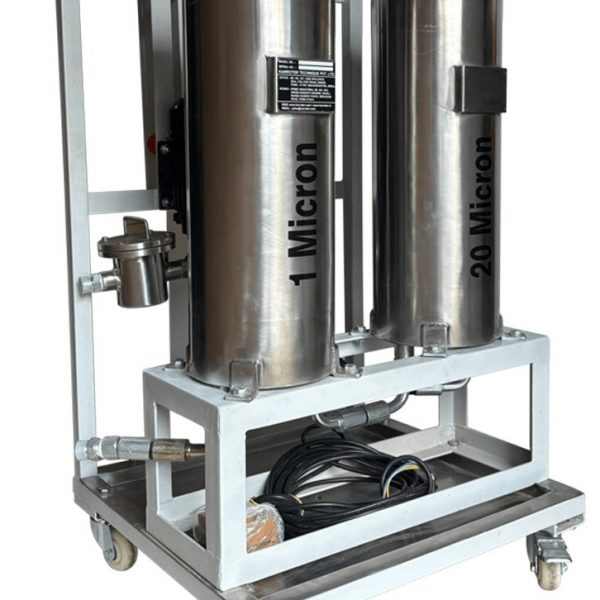
A hydraulic oil filtration machine is especially valuable:
- When frequent pump or valve failures occur
- During commissioning or system flushing
- In moisture-prone environments
- When oil replacement costs are high
- When maintaining ISO cleanliness levels is critical
Portable filtration systems allow maintenance teams to clean oil efficiently and reuse it safely, improving both reliability and cost control.
Long-Term Benefits of Preventive Oil Filtration
Organizations that prioritize oil cleanliness and filtration experience:
- Longer hydraulic pump life
- Reduced maintenance and spare-part costs
- Lower downtime and improved productivity
- More stable and predictable system performance
From a lifecycle cost perspective, preventive filtration delivers far greater value than reactive repairs.
Conclusion: Prevention Is Always Cheaper Than Repair
Hydraulic pumps rarely fail without warning. Contaminated oil, moisture, and poor cleanliness control are the real causes behind most breakdowns. By understanding these factors and adopting preventive filtration practices, maintenance teams can avoid costly failures and protect critical equipment.
At Karroter Technique Pvt. Ltd., the focus is on helping industries maintain clean, reliable hydraulic systems through effective oil filtration and contamination control. Preventing pump failure is not just about maintenance—it is about protecting productivity and long-term operational efficiency.
FAQs
The most common cause of hydraulic pump failure is contaminated hydraulic oil. Solid particles, metal wear debris, and dirt circulating in the oil cause abrasive wear on pump components. Over time, this leads to loss of efficiency, overheating, and eventual pump failure. Maintaining proper oil cleanliness is critical to preventing these issues.
Moisture reduces the lubricating ability of hydraulic oil and causes corrosion inside the pump. It can also lead to cavitation, sludge formation, and accelerated oil degradation. Even small amounts of water can significantly shorten pump life, which is why moisture control and filtration are essential in hydraulic systems.
Yes. Simply changing oil does not guarantee cleanliness. New oil can already contain contaminants, and contamination can enter the system during oil transfer or maintenance. Without proper filtration, these contaminants continue circulating and damaging the pump. Filtration is as important as oil replacement.
The required ISO cleanliness level depends on the application and pump type, but most industrial hydraulic systems require oil cleanliness levels around ISO 19/17/14 or better. High-precision systems often need even cleaner oil. Operating above recommended cleanliness levels increases wear and the risk of pump failure.
Offline hydraulic oil filtration cleans the oil independently of the machine’s operation. It continuously removes fine particles and moisture without affecting system pressure or flow. This helps maintain consistent oil quality, protects pump components, and significantly reduces unplanned breakdowns and downtime.
A hydraulic oil filtration machine should be used during commissioning, after maintenance or overhauls, when moisture contamination is detected, or when recurring pump failures occur. It is also recommended as part of a preventive maintenance program to extend oil life, protect hydraulic pumps, and reduce operating costs.
